In this article
The Top Programming Languages for Web Development in 2024
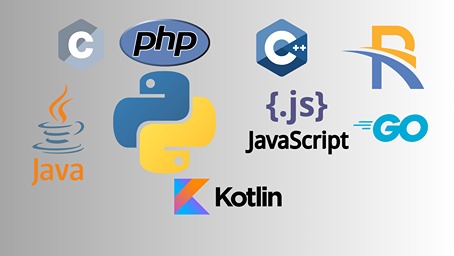
In the fast-paced world of web development, choosing the right programming language can make a significant difference in your project's success and your career growth. With the landscape constantly evolving, it's essential to stay updated on the most effective and versatile languages for web development in 2024. Here’s a rundown of the top programming languages you should consider for web development this year.
1. JavaScript
Why JavaScript? JavaScript remains the cornerstone of web development, providing the backbone for interactive and dynamic web applications. Its ability to run in the browser means you can build client-side scripts to enhance user experiences. With powerful frameworks and libraries such as React, Angular, and Vue.js, JavaScript continues to dominate both front-end and full-stack development.
Key Features:
- Dynamic and versatile
- Extensive library and framework support
- Asynchronous programming with Promises and async/await
- Popular Frameworks/Libraries: React, Angular, Vue.js, Node.js
2. TypeScript
Why TypeScript? TypeScript builds on JavaScript by adding static types, which can help catch errors early and improve code maintainability. It’s increasingly popular for large-scale applications due to its strong typing system and integration with modern frameworks. TypeScript enhances developer productivity and reduces the likelihood of runtime errors.
Key Features:
- Static typing and type inference
- Improved IDE support and code quality
- Seamless integration with JavaScript libraries
- Popular Frameworks/Libraries: Angular, React (with TypeScript), Vue.js (with TypeScript)
3. Python
Why Python? Python is renowned for its simplicity and readability, making it a great choice for web development, especially for back-end services. Frameworks like Django and Flask enable rapid development of robust web applications. Python’s ease of use and extensive libraries also make it a strong contender for web development projects.
Key Features:
- Simple and readable syntax
- Rich ecosystem of libraries and frameworks
- Strong community support
- Popular Frameworks/Libraries: Django, Flask, FastAPI
4. PHP
Why PHP? Despite the emergence of new technologies, PHP remains a staple in web development, especially for server-side scripting. It powers many of the world’s websites and integrates well with databases like MySQL. PHP frameworks like Laravel and Symfony offer powerful tools for building modern web applications.
Key Features:
- Easy integration with HTML
- Broad hosting support
- Mature ecosystem and extensive documentation
- Popular Frameworks/Libraries: Laravel, Symfony, CodeIgniter
5. Ruby
Why Ruby? Ruby, particularly with the Ruby on Rails framework, is known for its emphasis on convention over configuration and developer happiness. It promotes rapid development and clean, readable code. Ruby on Rails continues to be a strong choice for building scalable web applications with a focus on simplicity.
Key Features:
- Convention over configuration
- Quick development and deployment
- Elegant and readable syntax
- Popular Frameworks/Libraries: Ruby on Rails, Sinatra
6. Java
Why Java? Java’s robustness and portability make it a reliable choice for enterprise-level web applications. With the Spring framework, Java provides powerful tools for building secure and scalable web services. It’s particularly valued for its performance and cross-platform capabilities.
Key Features:
- Strong performance and scalability
- Wide range of enterprise-level tools
- Extensive community and ecosystem
- Popular Frameworks/Libraries: Spring, JavaServer Faces (JSF)
7. Go (Golang)
Why Go? Go, developed by Google, is known for its simplicity and performance, especially in handling concurrent tasks. It’s increasingly used for back-end services and web servers due to its efficient execution and straightforward syntax. Go’s strong concurrency support makes it ideal for high-performance web applications.
Key Features:
- High performance and efficiency
- Excellent concurrency support
- Simple and concise syntax
- Popular Frameworks/Libraries: Gin, Echo
8. Rust
Why Rust? Rust is gaining traction for its focus on safety and performance, making it an intriguing choice for web development. While it’s not yet as prevalent in the web space, its capabilities in building secure and high-performance applications are being increasingly recognized, especially in WebAssembly.
Key Features:
- Memory safety without garbage collection
- High performance and concurrency
- Growing ecosystem and support
- Popular Frameworks/Libraries: Rocket, Actix
9. Kotlin
Why Kotlin? Kotlin, known for its interoperability with Java, is also making waves in web development, particularly with its support for back-end development through frameworks like Ktor. Its concise syntax and modern features offer a fresh alternative to traditional languages like Java.
Key Features:
- Concise and expressive syntax
- Interoperable with Java
- Modern language features
- Popular Frameworks/Libraries: Ktor, Spring Boot (with Kotlin)
10. SQL
Why SQL? Although not a general-purpose programming language, SQL is crucial for web development when dealing with databases. Understanding SQL is essential for managing and querying relational databases, which are a backbone of many web applications.
Key Features:
- Efficient data management and querying
- Integration with various databases
- Essential for data-driven applications
- Popular Database Systems: MySQL, PostgreSQL, SQLite
- Conclusion
Choosing the right programming language for web development in 2024 depends on your project needs and career goals. Each language offers unique strengths and is suited to different aspects of web development. By mastering these languages, you'll be well-equipped to tackle a variety of web development challenges and stay competitive in the evolving tech landscape.

Innovation Meets Expertise at Softanic Solutions. We turn your vision into reality with custom software solutions designed to inspire growth and success.